How a Deep Heat Balm Can Support Muscle Recovery and Natural Relief
After a long week of physical work or an intense training session, muscles often feel tight, sore, and in need of something more than a hot shower. I have spent years trying different topicals for joint pain and muscle recovery, and the ones that stick around in my cabinet are the ones that combine thoughtful ingredients with honest results. A good deep heat balm is one of those products that earns its place through steady, reliable use. It is not about instant miracles. It is about consistent, natural relief that works with the body's own processes.
What Makes a Balm Effective for Deep Muscle Soreness
The idea behind a balm meant for deep heat is simple: deliver active compounds through the skin to areas that need them most. But the execution matters a great deal. Not all balms are created equal. Some rely heavily on synthetic fragrances and cheap fillers, which can irritate skin and do little for inflammation. A quality balm, on the other hand, uses a base of nourishing butters and oils, then layers in botanicals and natural extracts that have been used for generations.
When I first tried a balm with CBD and hemp extracts, I was skeptical. I had used menthol rubs before, and they worked for a quick cool-down but faded fast. What I found with a well-made balm was a slower, more sustained effect. The warmth builds gradually rather than hitting all at once. That kind of gradual warming effect feels more like your own body heat rising to meet the balm, not like a chemical reaction on your skin.
Key Ingredients That Make a Difference
A balm that aims for deep heat usually includes a few core ingredients that work together. Menthol and camphor are classics for a reason. Menthol provides a cooling effect initially, which can help distract from pain signals, while camphor offers a mild warming sensation that increases blood flow to the area. When these are combined with carrier ingredients like shea butter, coconut oil, and beeswax, the balm spreads easily and stays put without feeling greasy.
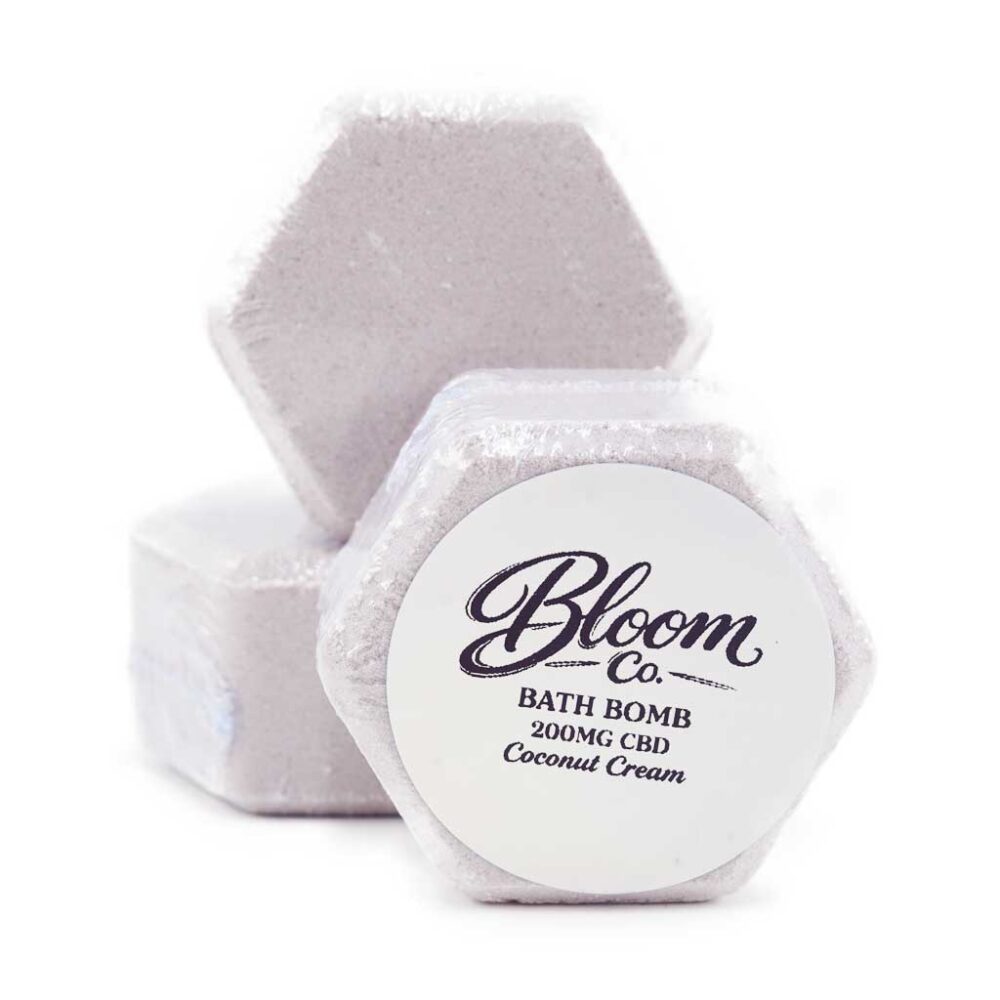
Then there are the cannabinoids. CBD, in particular, has gained attention for its potential to calm inflammation without the psychoactive effects of THC. Hemp-derived CBD interacts with the body's endocannabinoid system, which plays a role in regulating pain and immune response. For someone dealing with chronic joint pain or post-workout soreness, this can mean less swelling and a faster return to normal activity. The science is still evolving, but the anecdotal evidence from people like me who use these balms regularly is hard to ignore.
How I Use a Deep Heat Balm in My Routine
I keep a jar of deep heat balm on my nightstand and another in my gym bag. After a heavy leg day or a long run, I take a small amount and warm it between my palms before massaging it into my knees, calves, or lower back. The warmth spreads within a few minutes, and the combination of menthol and essential oils creates a subtle aromatherapy effect that helps me wind down. I have found that using it consistently after exercise, rather than only when pain is already bad, makes the biggest difference.
One thing I have learned is that balms work best on clean, dry skin. If you apply one right after a shower when your pores are open, the absorption is better. I also avoid applying it to broken skin or open wounds, since the essential oils can sting. A little goes a long way. A pea-sized amount is usually enough for one knee or elbow. Rubbing it in for thirty seconds or so until it feels like it has absorbed is enough. You do not need to pile it on.
Comparing Balms to Other Topicals
There are plenty of options out there: creams, gels, patches, sprays. I have tried most of them. Creams often contain water and preservatives that dilute the active ingredients. Gels can dry out and flake. Patches are convenient but limited in coverage. A balm, by contrast, is a concentrated, water-free product. Because it is made with oils and waxes, the active compounds stay stable longer and absorb more efficiently through the skin. That is why many people, including me, prefer a balm for targeted, long-lasting relief.
Another advantage is portability. A small tin of balm fits in a pocket or a small pouch, and it does not leak or spill. I have taken mine on camping trips and flights without any issues. The beeswax and shea butter base means it stays solid at room temperature but melts on contact with skin. That physical property is what gives a balm its satisfying texture and makes it easy to apply exactly where you need it.
The Role of Aromatherapy in Physical Recovery
Beyond the direct effects on muscles and joints, a balm can also support recovery through scent. Essential oils like eucalyptus, peppermint, lavender, and rosemary are common in topicals for a reason. They have been shown in studies to reduce stress and improve mood, which matters when you are dealing with pain or stiffness. Aromatherapy is not a replacement for medical treatment, but it is a valuable complement. When I am massaging a balm into my shoulder after a long day at a desk, the scent of peppermint and camphor helps me breathe deeper and relax my neck muscles without thinking about it.
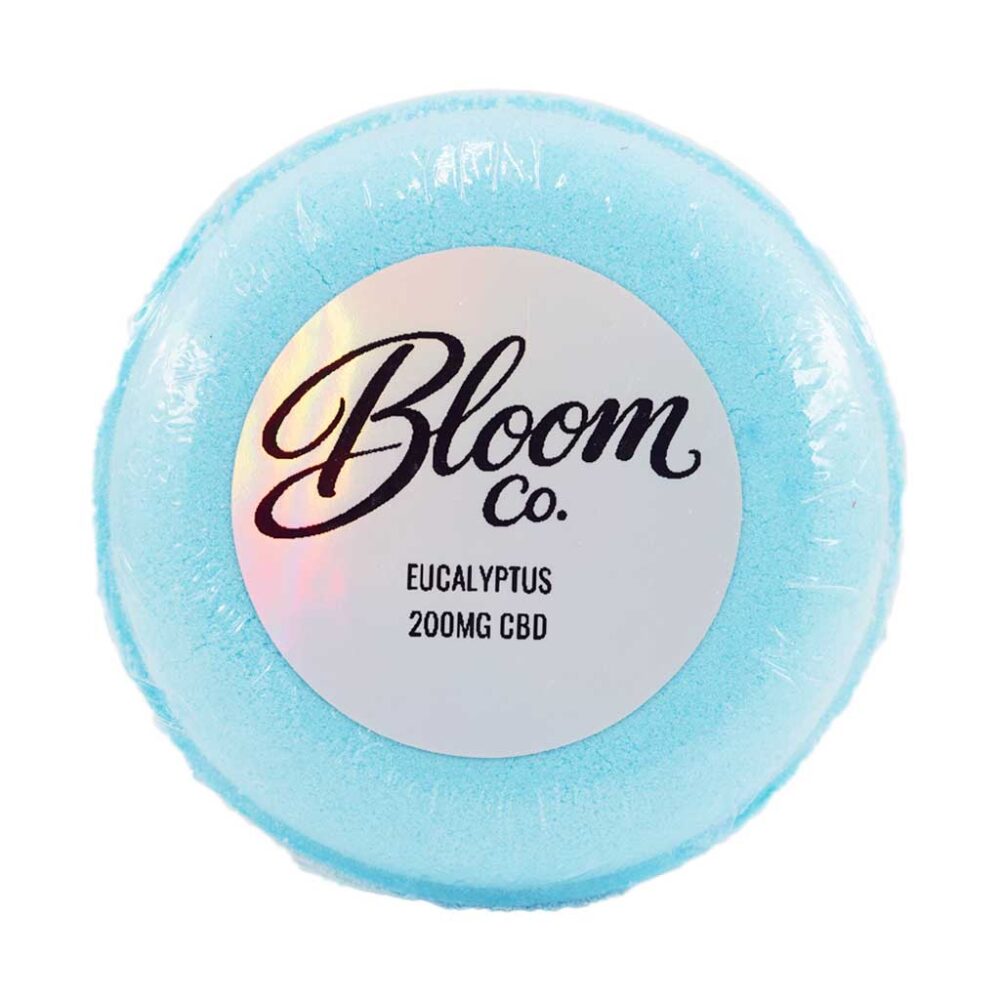
Some balms also include warming or cooling agents that create a sensory experience. The combination of menthol for cooling and camphor for warming can create a pleasant contrast that distracts from discomfort. This is not just a gimmick. The nervous system responds to temperature changes, and alternating sensations can help reduce the perception of pain. It is the same principle behind contrast baths, but much easier to do at home.
What to Look for When Choosing a Balm
If you are considering adding a deep heat balm to your wellness routine, there are a few things to check. First, look at the ingredient list. The base should be something natural like shea butter, coconut oil, or beeswax. Avoid balms that list mineral oil or petroleum as the first ingredient, because those sit on top of the skin rather than sinking in. Second, check the source of any CBD or hemp extract. Third-party lab testing is a good sign that the product contains what it claims. Many reputable sellers, including kushstation, provide batch-specific certificates of analysis so you know exactly how much CBD and other cannabinoids are in each jar.
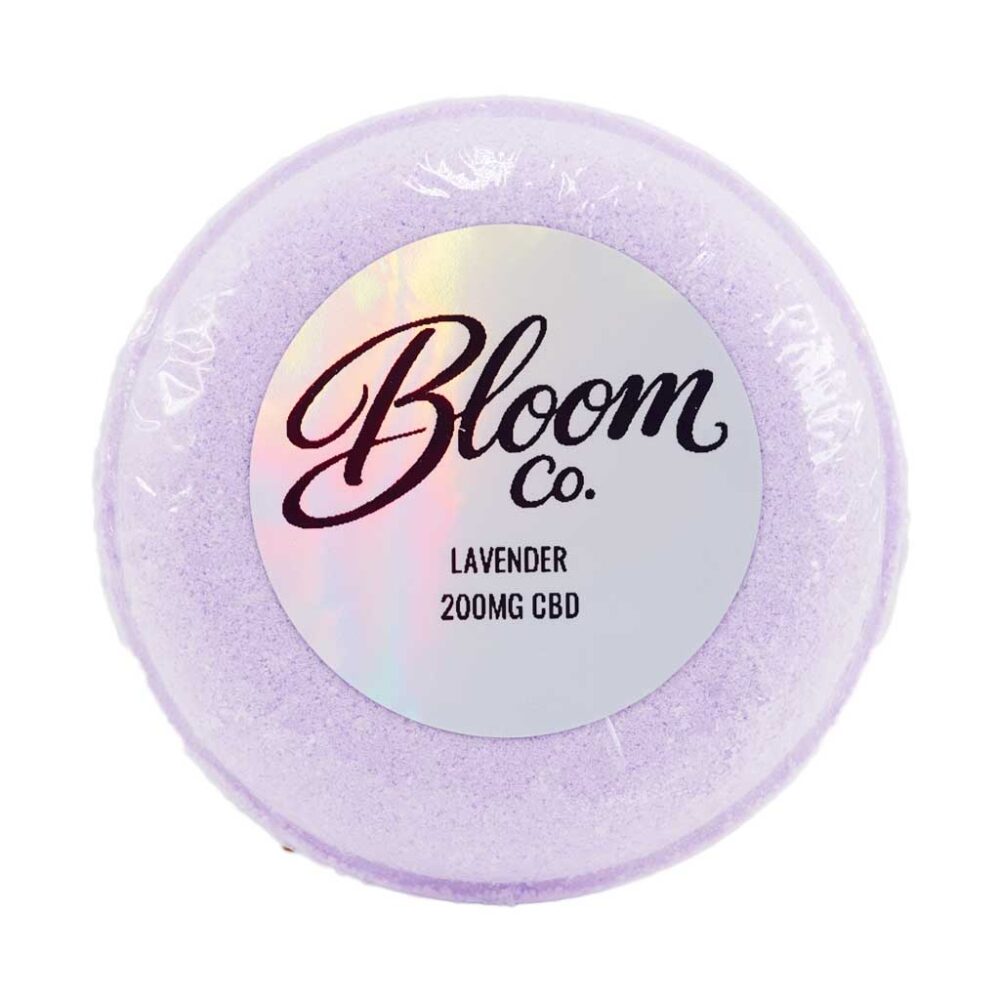
Also consider the scent profile. If you are sensitive to strong smells, look for a balm that uses essential oils rather than synthetic fragrances. Synthetic fragrances can cause headaches or skin reactions in some people. A balm with a mild, herbal scent from lavender or chamomile is usually gentler. If you want something more invigorating, peppermint and eucalyptus are good choices. The right scent can turn a routine application into a small ritual that you look forward to.
Practical Tips for Getting the Most Out of Your Balm
Here are a few things I have learned from using balms regularly:
- Store the balm in a cool, dry place. Heat can melt the base and separate the oils, which changes the texture.
- Use clean fingers or a small spatula to scoop out the balm. Introducing water or dirt can cause it to spoil faster.
- Apply it after a warm shower or light exercise, when blood flow is already increased. This helps the ingredients penetrate deeper.
- Be patient. The effects of a balm are not instant like a pill. Give it fifteen to twenty minutes to fully absorb and start working.
- Combine it with gentle stretching or foam rolling for better results. The balm helps the muscles relax, and movement helps the balm spread.
I have also found that rotating between a balm and a cooling gel can be useful depending on the type of pain. For acute injuries or fresh strains, a cooling gel with menthol can help reduce initial swelling. For chronic tightness or general muscle recovery, a warming balm is better. Some people like to use both in the same session, starting with a balm to warm up the area and following with a cooling gel after activity. It is worth experimenting to see what works for your body.
Final Thoughts on Natural Relief and Wellness
Natural relief is not about rejecting modern medicine. It is about having options that are gentle, effective, and aligned with how the body actually works. A good balm fits into that philosophy. It uses plants, waxes, and oils to deliver compounds that have been trusted for centuries. When you add CBD and hemp into the mix, you get the benefits of modern extraction methods and a deeper understanding of the endocannabinoid system. That combination of old and new is what makes this category of topicals so promising.
Whether you are an athlete, a weekend warrior, or someone dealing with everyday joint pain, a deep heat balm can be a simple, reliable tool in your recovery kit. It does not promise to fix everything, but it does offer a way to support your body through discomfort with ingredients that feel good and work well. And that is worth more than a lot of flashy products on the shelf.